Figuring out how to get help with food can be tricky! You might be wondering, “Can I get food stamps if I live with someone who already gets them?” The answer isn’t always a simple yes or no. It depends on a lot of things, like how you’re related to the person, if you buy and cook food together, and what your own income is. Let’s dive into the details to understand how it all works.
Household Definition and SNAP Eligibility
The most important thing to know is what the government considers a “household” for food stamp purposes, officially known as the Supplemental Nutrition Assistance Program (SNAP). Generally, a household is a group of people who live together and buy and prepare food together. That means if you’re sharing groceries and cooking meals, you’re likely considered part of the same household, even if you’re not related. If you’re considered part of the same household, your SNAP eligibility will be determined based on the combined income and resources of everyone in that household.
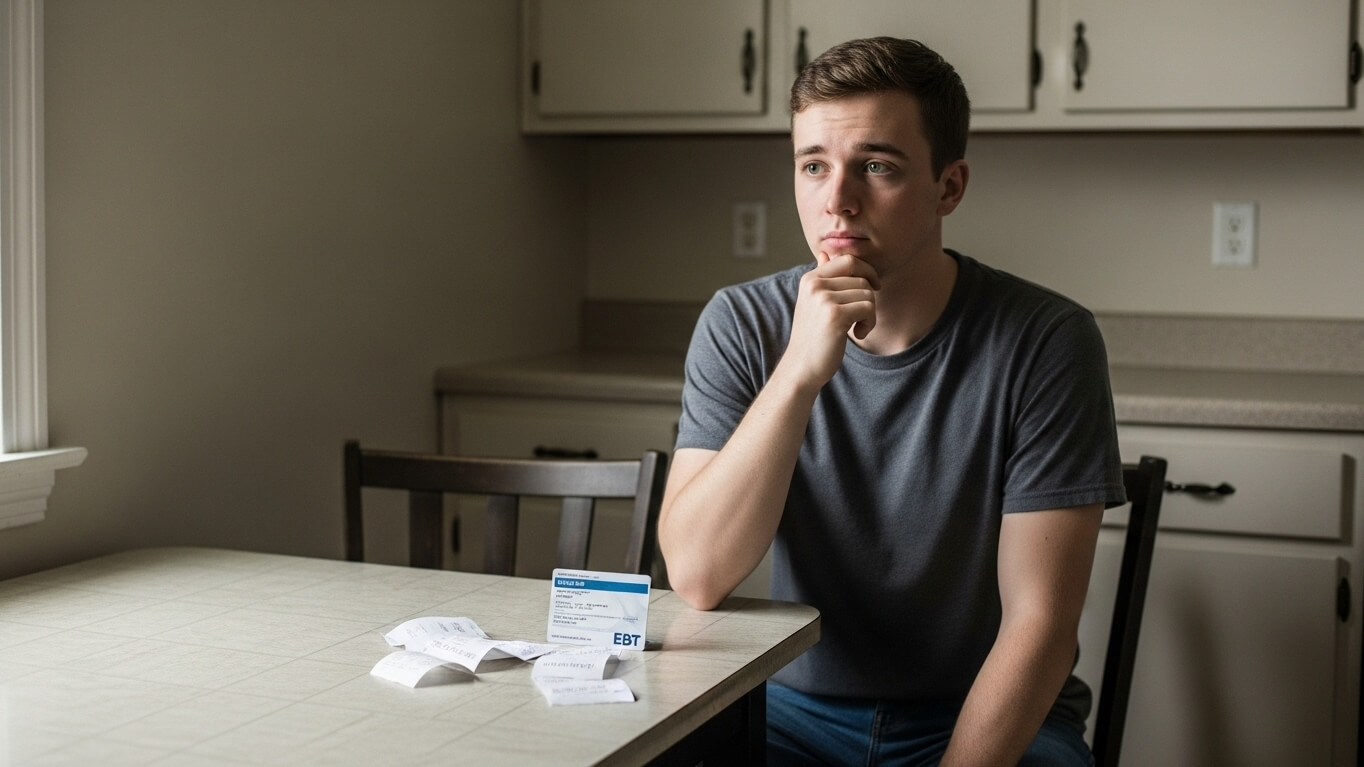
The Impact of Shared Living and Cooking
Living with someone who already receives SNAP benefits can definitely affect your own eligibility. If you’re buying and preparing food with the person already receiving food stamps, the state considers you part of their household. This means your income and resources will be considered, along with theirs, when determining if you’re eligible for SNAP. If your combined income is too high, the household may not qualify for benefits, or the benefits might be reduced.
Think of it like this: if you’re both contributing to the cost of groceries and cooking meals together, the government sees it as a shared financial responsibility. To make things clearer, here are some things that factor into your SNAP application:
- Who buys the food?
- Who cooks the food?
- Do you share meals?
Even if you have separate finances, the way you handle your groceries and cooking can strongly influence how the government sees you. Let’s say you live in an apartment with a roommate who gets food stamps. If you split the cost of groceries and take turns cooking, you will most likely be considered one household.
Separate Living Arrangements within the Same Residence
What if you live in the same house but have totally separate lives? Maybe you live in an apartment in a house where your aunt gets food stamps. If you don’t share food costs, cook separately, and eat your meals in different areas of the house, it’s more likely you could be considered a separate household. This is because the government looks at whether you act as a single economic unit when deciding eligibility.
Here’s an example to help clarify:
- You have your own apartment within the house.
- You buy your own groceries.
- You cook all your own meals, separate from the other person.
- You never share food or eat together.
In this situation, the state might consider you as two separate households if you’re each financially independent when it comes to food. However, you’ll still need to prove this to the SNAP office.
Income and Resource Considerations
Income is a huge factor in determining SNAP eligibility. The state will look at your income, the other person’s income, and any other income coming into the household. This includes wages, salaries, unemployment benefits, and even some types of financial aid. If your combined income is above the limit for your state, you might not qualify for food stamps.
Resources like bank accounts and savings are also considered. If the household has too many resources, they may not qualify for SNAP. It’s important to declare all income and resources accurately when applying for food stamps. Check out the following information regarding assets:
| Type of Asset | Considered? |
|---|---|
| Checking Account | Yes |
| Savings Account | Yes |
| Stocks | Yes |
| House | Sometimes |
How to Apply and What to Expect
If you think you might be eligible for food stamps, you need to apply through your local SNAP office. You’ll need to provide information about your income, resources, living situation, and the people you live with. Be prepared to provide documentation, such as pay stubs, bank statements, and proof of address.
The application process can take some time, so be patient. The SNAP office will review your information and determine your eligibility. They might need to interview you or the other people in your household. If approved, you’ll receive an EBT (Electronic Benefit Transfer) card, which works like a debit card to purchase groceries.
Here’s a simple list of steps to take:
- Find your local SNAP office.
- Gather your information.
- Fill out an application.
- Submit your application.
- Wait for a decision.
The Importance of Honesty and Accurate Information
It’s super important to be honest and provide accurate information on your SNAP application. Giving false information can lead to serious consequences, like losing your benefits or even facing legal penalties. Be sure to report any changes in your income, living situation, or household composition to the SNAP office.
The SNAP program is designed to help people in need, and it relies on everyone playing by the rules. The government checks information to make sure people are eligible. When there are changes, report them as soon as you can to keep everything running smoothly. The SNAP office can help you navigate any changes.
The following may lead to benefits being reduced or terminated:
- Failure to report changes to the SNAP office
- Providing false information on the application
- Selling or trading SNAP benefits
Conclusion
So, can you get food stamps if you live with someone who already has them? It’s complicated. The answer depends on whether you’re considered part of the same household. If you share food costs and cook together, your combined income and resources will be considered. If you live separately within the same house, you might be able to get your own food stamps, but you’ll need to prove that you’re a separate economic unit. Always be honest and provide accurate information on your application to ensure you get the help you need.