Food Stamp cards, officially known as Electronic Benefit Transfer (EBT) cards, are like debit cards that help people buy groceries. They’re super important for many families, but that also means keeping them safe is a big deal. Have you ever wondered if someone could steal the money loaded onto your card? That’s what we’re going to explore in this essay: Can someone hack your food stamp card, and what can you do to protect yourself?
Is It Possible to Hack a Food Stamp Card?
Yes, unfortunately, it is possible for someone to hack your food stamp card. Just like with any debit or credit card, hackers can try to steal your information and use it to take your benefits. This can happen in a few different ways, and it’s important to know about them to protect yourself.
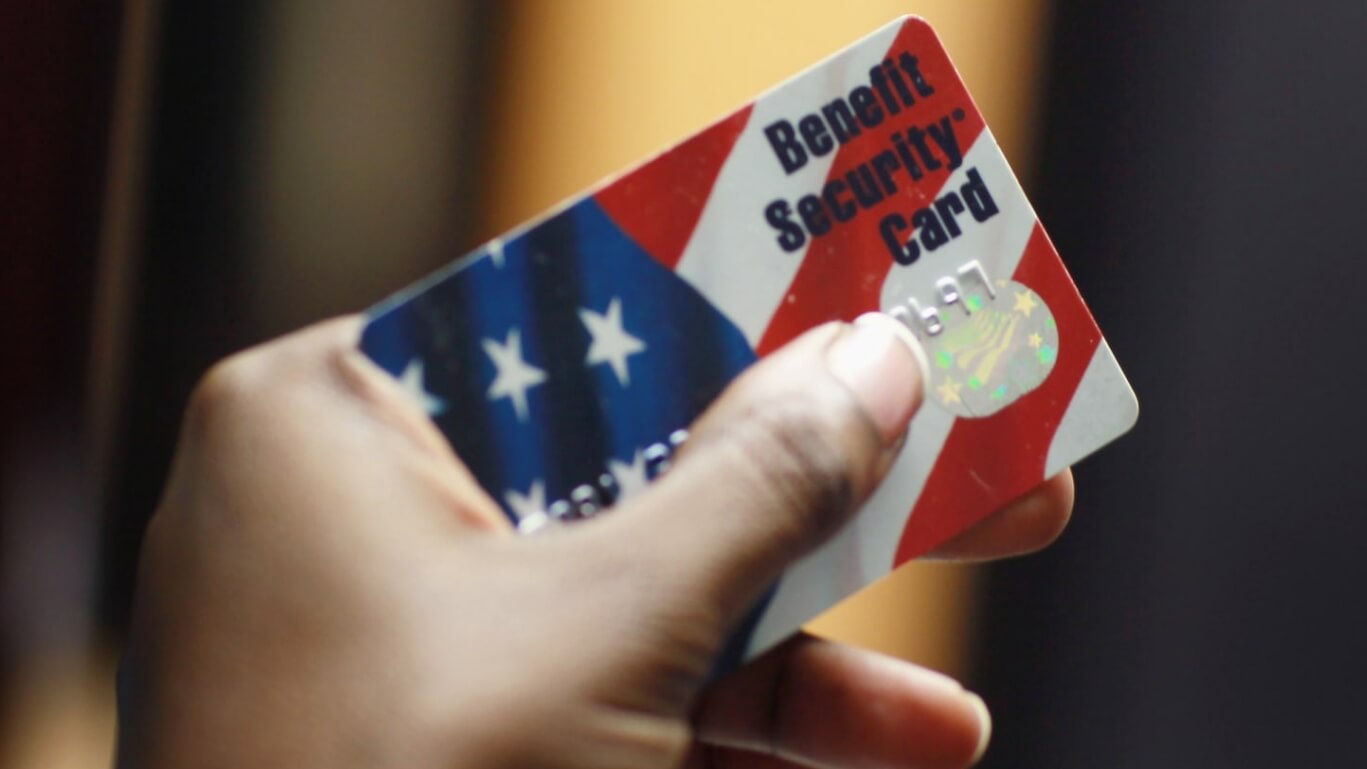
One common way is through something called “skimming.” This is when someone attaches a device to a card reader, like the one at a store’s checkout. This device secretly copies your card’s information, including your PIN. Then, the hackers can use that information to make their own fake card and spend your benefits.
Another method involves phishing. Hackers might send you fake emails or texts pretending to be from the government or your EBT card provider. These messages often ask you to click a link and enter your card number, PIN, and other personal information. If you fall for it, the hackers have everything they need to steal your money.
Finally, there’s the possibility of malware, or malicious software. This can be installed on your phone or computer if you click a bad link or download a suspicious file. Malware can then steal your login details or track your keystrokes, allowing hackers to access your online accounts and steal your information.
Common Ways Hackers Steal Your Food Stamp Money
Hackers are always looking for new ways to steal your EBT benefits. Some methods are more common than others. Understanding these methods can help you stay vigilant.
One of the more prevalent methods is card skimming, as mentioned earlier. Hackers will target ATMs and point-of-sale systems. They install devices that read your card information. This information is then used to create a duplicate card.
Another method is phishing, where hackers send deceptive messages. These messages may look like they are from your bank or the government, asking for your PIN, or other personal details. This can be done through emails, texts, or even phone calls.
- Be cautious of suspicious emails or texts.
- Never share your PIN.
- Use a strong password for your online accounts.
Fraudulent websites that mimic legitimate sites are also used. These sites are designed to trick you into entering your card details. Always check the website URL to make sure it is legitimate.
How to Recognize a Skimming Device
Skimming devices are designed to be discreet, making them difficult to spot. However, there are some things you can watch out for to protect yourself.
Always inspect the card reader before using it. Look for anything that seems out of place, such as a loose or bulky keypad, or if the card slot is wider than usual. If something seems off, it’s best to avoid that ATM or point-of-sale system.
Another thing to watch is if the card reader jiggles, or if it’s been tampered with. It could be a sign that a skimming device has been installed.
- Check for any signs of tampering.
- Jiggle the card reader.
- If something seems off, avoid that device.
Be aware of your surroundings. If you feel like someone is watching you enter your PIN, cover the keypad with your hand. Trust your gut: if something doesn’t feel right, it probably isn’t.
What to Do If You Think Your Card Has Been Hacked
If you suspect your EBT card has been hacked, it’s important to act fast. The sooner you report it, the better chance you have of getting your money back.
First, immediately report the fraud to your state’s EBT customer service. You can usually find the contact information on the back of your EBT card, or by searching online. They can block your card and prevent further fraudulent transactions.
Next, file a police report. This provides a record of the incident and can be helpful when dealing with your EBT provider. Include as much information as possible, such as the date, time, and location of any suspicious transactions.
| Action | Description |
|---|---|
| Report Fraud | Contact EBT customer service immediately. |
| File a Report | File a police report for documentation. |
| Gather Details | Note all suspect transactions. |
Gather any documentation you have, such as bank statements or transaction records. This will help with the investigation. Check your transaction history regularly to catch any suspicious activity early on.
How to Protect Your EBT Card
The best defense is a good offense. There are several things you can do to protect your EBT card and prevent fraud. Being proactive is key.
Never share your PIN with anyone, and memorize it so you don’t have to write it down. Treat your PIN like a secret code. Cover the keypad when entering your PIN at ATMs and point-of-sale systems.
Regularly check your EBT card balance and transaction history. This allows you to catch any unauthorized transactions. If you notice something suspicious, report it immediately.
- Keep your PIN secret.
- Check your transaction history often.
- Be careful with your card.
Be cautious of phishing scams. Never click on links in suspicious emails or texts. Only access your EBT card account through the official website or app. Report any suspicious activity to the authorities.
Can Stolen Food Stamp Funds Be Recovered?
The ability to recover stolen food stamp funds varies. There is no guarantee, but there are steps you can take to increase your chances.
The first step is to report the fraud as quickly as possible. The faster you report the theft, the greater the likelihood that the authorities can trace the fraudulent transactions and potentially recover the funds.
The EBT provider will investigate the claim. If they determine that the theft was the result of fraud, they may issue a replacement for the stolen funds. However, this is not always the case. Sometimes, the EBT provider may deny a claim.
- Report Fraud Immediately
- Gather Documentation
- Cooperate with the Investigation
Keep a record of all communications and documentation related to the fraud. This can be important if there is a dispute. Understand the regulations in your state. These regulations outline the rules regarding fraud and recovery.
Conclusion
In conclusion, while hackers can target EBT cards, you can take steps to protect yourself. By being vigilant about your card, keeping your PIN safe, and reporting any suspicious activity immediately, you can reduce your risk. Remember to check your balance and transaction history frequently, and always trust your instincts. If something feels off, it probably is. Staying informed and taking precautions is the best way to keep your food stamp benefits secure.