Figuring out how to get help with food can be tricky, especially when you’re still a teenager. Many people wonder, “Can you get food stamps at 17?” Well, it’s not always a simple yes or no. There are specific rules and situations that decide whether a 17-year-old can receive these benefits, officially known as the Supplemental Nutrition Assistance Program (SNAP). Let’s explore the details and see what it takes to get food assistance at your age.
Being Unaccompanied and Independent
One of the biggest factors is whether you’re living on your own and taking care of yourself. This means you’re not living with your parents or legal guardians. If you are living independently, you might qualify. It’s a bit like being an adult, even though you’re not quite 18. The government understands that some teens have to become independent before they reach adulthood.
If you are an unaccompanied minor, this is a strong indicator that you might be able to receive SNAP benefits. An unaccompanied minor is someone under 18 who is not living in the physical custody of a parent or legal guardian. This could be due to a variety of reasons such as parental abandonment, death, or being a runaway.
The eligibility for an unaccompanied minor includes providing evidence that they are indeed living on their own. This might include documentation of their living situation, such as a lease agreement if they are renting an apartment or a letter from someone they are staying with, verifying that they live there. They may also be required to prove they are not receiving financial support from a parent or guardian. Often, this requires a formal review.
Here’s a quick rundown of what is often required:
- Proof of residency (like a lease)
- Verification you aren’t receiving support from parents
- Documentation of your income (if any)
- Potentially, proof of why you’re not living with parents
Emancipated Minors
Another way a 17-year-old might get food stamps is by becoming an emancipated minor. Emancipation is a legal process where a minor is declared free from the control of their parents or guardians. This means the minor has most of the rights and responsibilities of an adult, including the ability to make their own financial decisions. Getting emancipated is a big deal and usually requires going to court.
To get emancipated, you generally have to prove to a court that you’re mature enough to handle your own affairs. This includes showing that you can support yourself financially, which is a critical aspect. Also, the court will want to ensure that the parents are unwilling or unable to provide support, as this is an important factor when considering a minor’s emancipation.
The process varies by state, but often involves the following steps:
- Filing a petition with the court.
- Providing evidence of financial independence.
- Demonstrating your ability to manage your own affairs.
- Attending a court hearing.
Emancipation often gives the minor full control over their own life, including the ability to get a job, sign contracts, and access SNAP benefits. The specific requirements can vary by state, but it’s a significant legal status that can open doors for independent living and support.
Living with Adults Who Aren’t Your Parents
If you’re living with adults who aren’t your parents, like a grandparent, aunt, uncle, or even a friend’s family, the rules get a bit different. In some cases, you might be considered part of their household for SNAP purposes. This means the adults’ income and resources would be considered when determining eligibility. This is because the government believes that the adults are providing you with care, support, and shelter.
However, there can be exceptions to this rule. For instance, if the adult you live with is not providing financial support, or if you are paying for your own food separately, you might be able to apply for SNAP benefits on your own. Proving that you are buying and preparing your own meals is crucial to be considered as a separate household.
Documentation is important when trying to prove a separate household. This might include receipts for groceries, proof of income, or a written statement from the adult you live with confirming that you’re responsible for your own food. The caseworker will carefully review your situation, weighing the evidence that the person is an independent entity.
Here’s a quick table that outlines how different living situations might affect your eligibility:
| Living Situation | SNAP Eligibility |
|---|---|
| Living with Parents | Usually ineligible |
| Emancipated or Unaccompanied Minor | Potentially eligible |
| Living with Non-Parent Adults | Potentially eligible (based on financial independence) |
Parental Support and College Students
If you are a college student, the rules are more complex. Generally, college students are not eligible for SNAP unless they meet certain exemptions. One of the main requirements for SNAP eligibility is that you must be employed at least 20 hours a week, or be exempt from work requirements. However, if a student is under 18, they are typically still considered dependent and living with their parents. Therefore, their parents’ income might still be taken into account, affecting eligibility.
One exemption includes being a student who is also employed. This is when they meet the federal requirement of working for a set amount of time per week. Another option is if you are a student with a disability, as this may affect your SNAP eligibility, and may be considered on a case-by-case basis. If you are receiving some government support, such as TANF, this can often lead to SNAP eligibility.
There are also instances where students might be independent and, therefore, eligible. This includes situations where students are emancipated, or are no longer considered to be supported by their parents. The rules for college students are intricate, and the specifics can vary greatly by the individual student.
For a student under 18, the question of parental support weighs heavily on SNAP eligibility. If parents provide financial support, it greatly influences the eligibility determination. To accurately know your eligibility, contact your local SNAP office, as the rules can change and vary by state.
Proving Your Income and Resources
To apply for SNAP, you will need to provide proof of your income, resources, and living situation. This is true for people of all ages. The SNAP program aims to give assistance to those with the greatest need. Income and resources play a huge part in determining your eligibility.
What you’ll need to provide will vary, depending on your individual circumstances. For example, you might need to show pay stubs, bank statements, or a letter from your employer to verify your income. You also might need documentation of any other financial resources you have, such as savings accounts or investments. The SNAP office will use this information to determine if you meet the financial requirements.
If you’re an unaccompanied minor, this can get tricky. You’ll need to show that you aren’t receiving support from your parents. If you are getting financial support, this will impact the SNAP application. This might require a signed statement or other documentation. Because a 17-year-old is usually legally dependent on their parents, verifying your income and resources is key.
The SNAP application process is straightforward. Generally, the application will ask for information about your income, resources, and living situation. Some of the basic documents you will need may include:
- Proof of identity.
- Proof of address.
- Proof of income (pay stubs, etc.).
- Bank statements.
The Application Process
Applying for SNAP benefits involves filling out an application, providing documentation, and going through an interview. The process can seem a little daunting at first, but the SNAP offices are there to help. Once you gather the necessary documents, you’ll complete an application. You can usually find the application online or at your local SNAP office.
When you apply, you’ll need to provide information about your income, resources, and living situation. Be sure to answer all questions accurately. After you submit your application, you may be required to complete an interview with a caseworker. The caseworker will review your application and ask you questions. This interview will help determine your eligibility for the program.
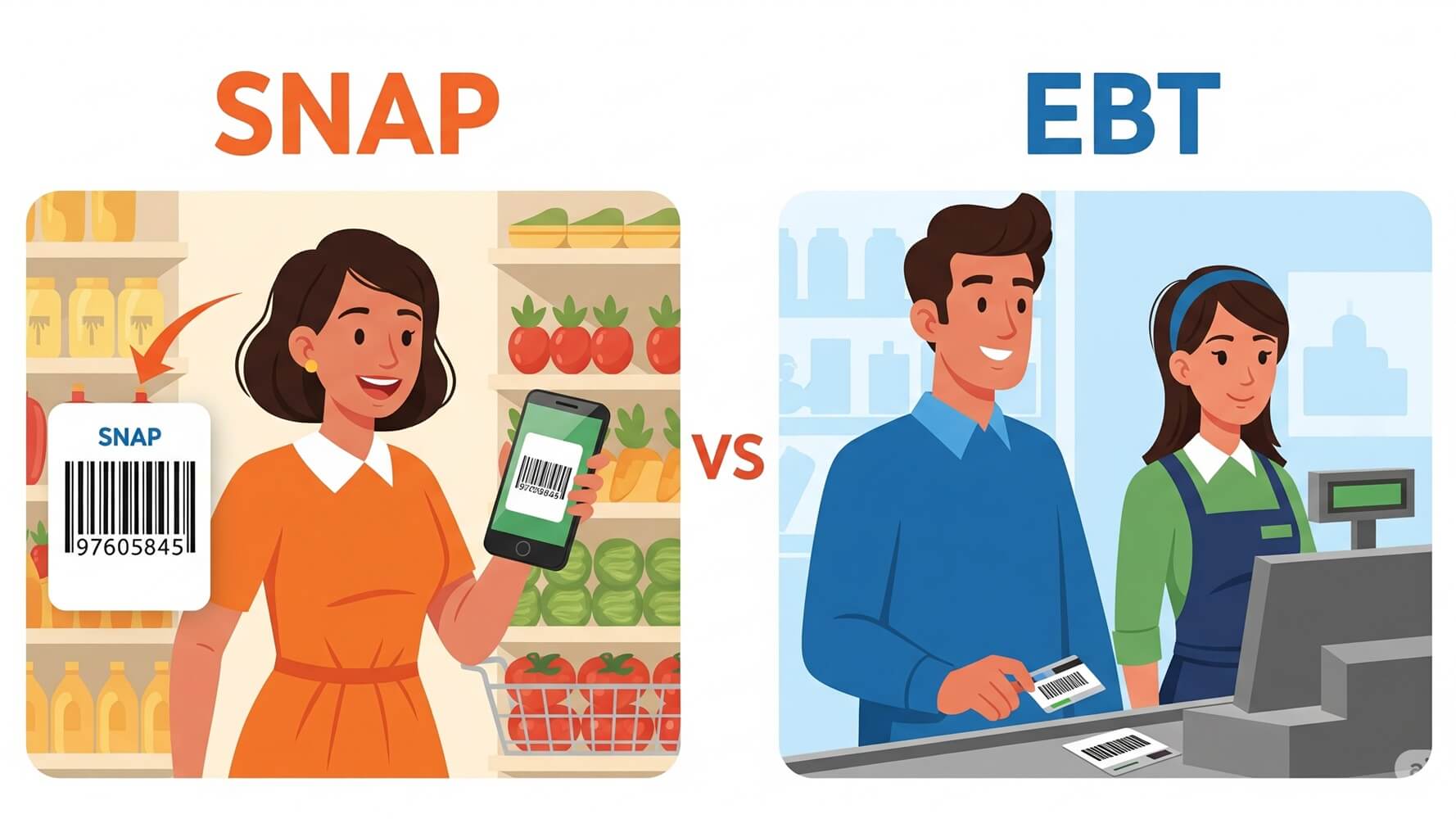
After the interview, the caseworker will evaluate your application and make a decision. If you are approved, you’ll receive an EBT (Electronic Benefit Transfer) card, which works like a debit card and can be used to buy food at authorized stores. You’ll also need to know what types of food you can buy with the card.
Here is a step-by-step guide to the SNAP application process:
- Gather the necessary documents.
- Fill out the application.
- Submit your application.
- Attend an interview (if required).
- Receive a decision on your application.
- Get your EBT card (if approved).
The Bottom Line: Can You Get Food Stamps At 17?
So, can you get food stamps at 17? In many cases, the answer is “maybe”. It really depends on your individual circumstances. Whether you’re an unaccompanied minor, emancipated, or in a different living situation, the rules can be complicated. If you are a 17-year-old and need help, the best thing to do is to contact your local SNAP office. They can give you the most accurate information based on your situation and guide you through the application process. They can answer all of your questions.