If you’re getting help with food, you might wonder if it affects your credit score. It’s a totally valid question! Credit scores are like a report card for how you handle money. They tell lenders, like banks and credit card companies, how likely you are to pay them back. Let’s dive into whether using food stamps, officially called the Supplemental Nutrition Assistance Program (SNAP), can mess with your credit.
The Direct Answer: Does SNAP Affect Credit?
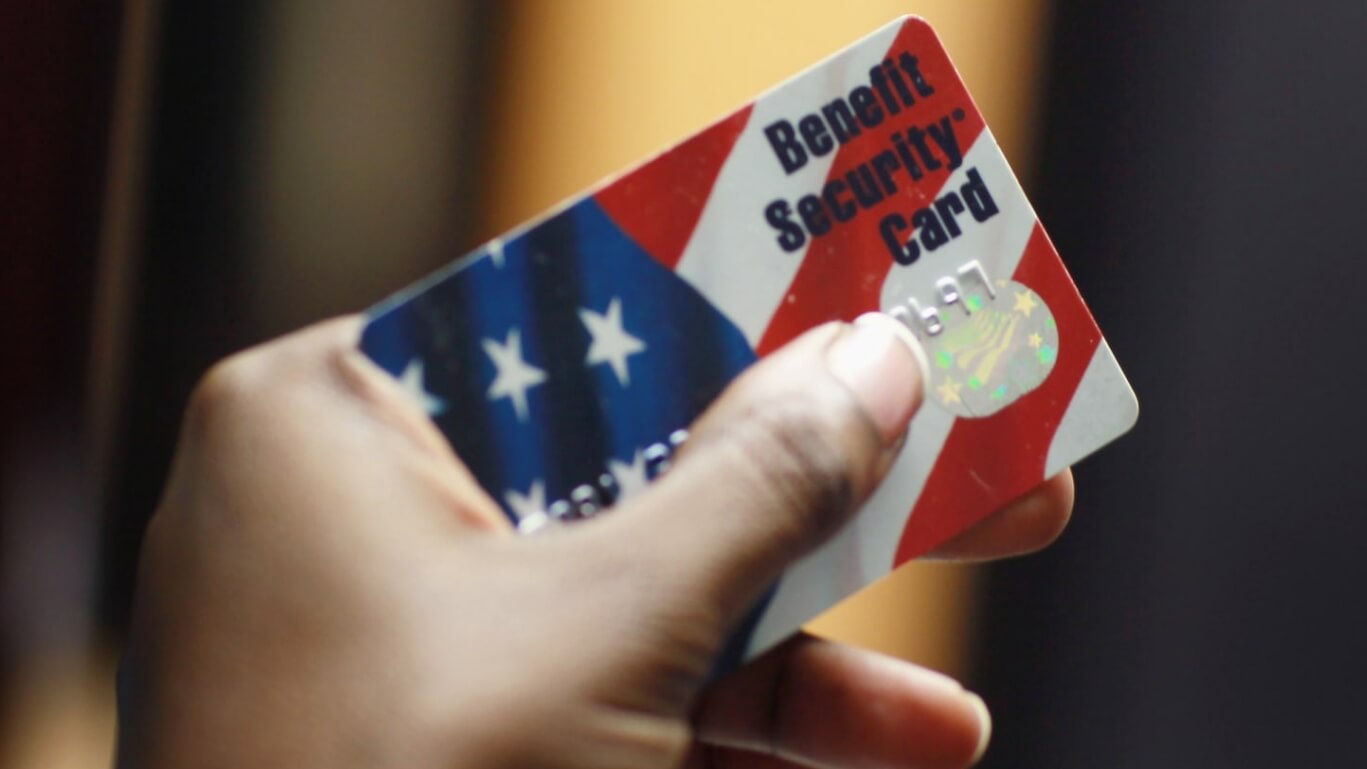
The simple answer is: No, using SNAP benefits, also known as food stamps, doesn’t directly hurt your credit score. SNAP is a government program designed to help people with low incomes buy food. It’s based on your financial situation, not your ability to repay a loan or credit card debt. So, using these benefits doesn’t get reported to credit bureaus like Experian, Equifax, or TransUnion.
How Credit Scores Work (and What They Don’t Include)
Credit scores are calculated using information from your credit reports. These reports are built from how you manage different types of credit accounts, like credit cards and loans. Banks and other lenders report your payment history, how much credit you’re using, and other information to these credit bureaus. This information is then used to calculate your credit score. Think of it like this:
- Positive Factors: Making payments on time, keeping credit card balances low, having a long credit history.
- Negative Factors: Missing payments, having high credit card balances, and having a lot of new credit accounts.
SNAP benefits are not a credit account, and therefore, they are not a part of the credit report. Using food stamps doesn’t show up on your credit report at all.
Here’s a quick look at what generally *does* impact your credit score:
- Payment History (35% of your score)
- Amounts Owed (30% of your score)
- Length of Credit History (15% of your score)
- Credit Mix (10% of your score)
- New Credit (10% of your score)
Indirect Ways Food Stamps Might Seem to Affect Credit
While SNAP doesn’t directly impact your credit, there are some indirect ways it could *seem* like it does. Sometimes, people who use SNAP might struggle with other financial issues, such as paying bills on time or managing credit card debt. For example, if someone has a low income and needs to use SNAP to buy food, they may also have trouble paying other bills.
Here is a list of things that might appear:
- Limited Income: SNAP users may have less money overall.
- Bill Payment Difficulties: They might struggle to pay bills.
- Credit Card Usage: Using credit cards might be difficult.
The reasons could be many, but it is the *other* financial habits, not the fact they use SNAP, that would lead to problems with credit.
Avoiding Credit Score Pitfalls While Using SNAP
It’s important to keep your credit score healthy, whether or not you use SNAP. You can do this by managing your finances responsibly and making sure your bills are paid on time. Here’s a simple table to help you stay on track:
| Action | Effect on Credit |
|---|---|
| Pay Bills on Time | Positive |
| Keep Credit Card Balances Low | Positive |
| Don’t Miss Payments | Negative |
| Avoid Maxing Out Credit Cards | Negative |
Focus on the financial choices you can control, such as payment on time and the amount of credit you use.
Building Good Credit When Money is Tight
Even if you’re on a tight budget and use SNAP, you can still build good credit. Start small, and be consistent with how you handle your finances. One good first step is getting a secured credit card. This is a credit card that requires you to put down a security deposit. It helps you show you can manage credit responsibly.
Here are some tips:
- Secured Credit Cards: They’re a good start.
- Pay on Time: Make all payments on time.
- Budgeting: Track your spending.
- Avoid Debt: Don’t spend more than you earn.
Building credit takes time and discipline.
Seeking Additional Financial Help
If you’re on SNAP and struggling to manage your money or are worried about debt, don’t be afraid to seek help. There are resources available to help you manage your finances and build a better credit score. Credit counseling services, for example, can offer advice and help you create a budget.
Here’s a short list of things you can do if you need assistance:
- Credit Counseling: Seek professional advice.
- Budgeting Apps: Helpful in tracking spending.
- Community Services: Many provide free or low-cost advice.
- Government Programs: Consider other programs to help.
Financial help is available if you need it.
In Conclusion
So, to wrap it up, does food stamps hurt your credit? No, using SNAP benefits doesn’t directly impact your credit score. However, it’s important to remember that your overall financial habits do matter. Focus on making timely payments, managing your debt, and building a strong credit history. By taking these steps, you can build good credit and achieve your financial goals, regardless of whether you’re using food stamps.