Food stamps, officially known as the Supplemental Nutrition Assistance Program (SNAP), are a big help for many families. They provide money each month to buy food, helping people afford groceries and eat healthy meals. But, you might be wondering, what exactly can you buy with them? And, maybe more importantly, what *can’t* you buy? This essay will explore what’s off-limits when you’re using SNAP benefits.
Non-Food Items
Let’s get this one out of the way first: food stamps are *specifically* for food. You can’t use them to buy anything that isn’t considered an edible item. This means things like household supplies, personal care items, or things for your pets are generally not covered. For example, you can’t buy dish soap, shampoo, or even pet food with your EBT card.
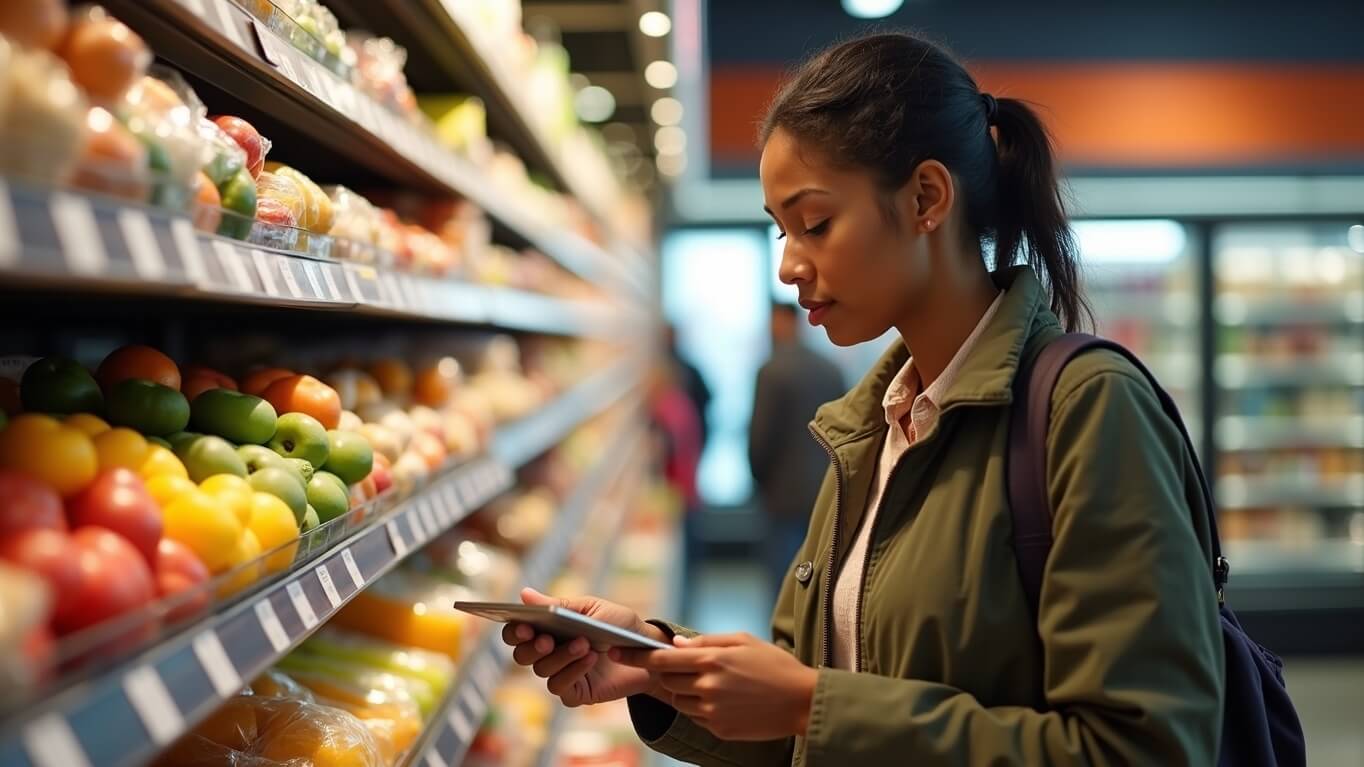
Here’s why it’s important. SNAP is designed to help people with their nutrition. It’s focused on making sure people have access to food, and the budget is set for that purpose. SNAP benefits are a vital resource for people who have limited financial options. It would not be helpful to allow these funds to be used for non-food items.
Think about it this way: you wouldn’t pay for school supplies with money meant for your lunch. SNAP works the same way. Imagine using your EBT card to buy a new video game! It’s just not what the program is for.
Ultimately, SNAP helps families afford items that they need most, which allows them to have more flexibility in their budgets. Here are some general items that are not covered:
- Paper Products (toilet paper, paper towels)
- Cleaning Supplies (dish soap, laundry detergent)
- Personal Hygiene Products (shampoo, toothpaste)
- Medicine
Prepared Foods
What is a prepared food?
One of the biggest areas of confusion is prepared foods. Prepared foods are food that are hot at the point of sale. These include those you get from restaurants, fast-food places, and even some grocery store delis. While SNAP *does* cover groceries, it usually *doesn’t* cover meals you didn’t make yourself. This is a crucial difference that many people find confusing.
For example, you can buy all the ingredients to make a pizza at home – the dough, sauce, cheese, and toppings – but you can’t use SNAP to buy a pre-made pizza from a pizza shop. This is because the pizza shop’s pizza is considered a prepared meal. The intention of SNAP is to provide resources for families to prepare nutritious meals in the home.
There are, however, some exceptions to this rule. Some elderly, disabled, or homeless individuals might be eligible to use SNAP at certain restaurants that are authorized by the USDA. The goal is to give access to food, but ensure that it is for those who have challenges to prepare food on their own. For the vast majority of SNAP recipients, restaurant food is not an option.
Understanding the rules for prepared foods can be a little tricky, but here are some examples to clear it up:
- Not Covered: A hot rotisserie chicken from the grocery store.
- Covered: A raw chicken you cook at home.
- Not Covered: A sandwich from a deli.
- Covered: All the ingredients to make your own sandwich at home.
Alcohol and Tobacco
This is a pretty straightforward one. **You cannot use food stamps to purchase alcohol or tobacco products.** This is a hard and fast rule. These items are not considered essential for nutritional needs, and therefore, are not covered by the program. This rule applies regardless of the situation.
The logic is pretty simple: SNAP is designed to help people get healthy food. Alcohol and tobacco don’t really fit into that category. While some people think they might need these products, they don’t provide any nutritional value and can be very harmful. Because of that, the government excludes them from SNAP benefits. It is an important policy for keeping funds focused on food.
The government wants to ensure the benefits are used for what they’re intended for, which is nutritious food for you and your family. You can’t even combine your EBT card with cash or another payment method to purchase these items.
Here’s a quick look at what you *can’t* buy with your SNAP benefits:
| Item | Allowed? |
|---|---|
| Beer | No |
| Cigarettes | No |
| Wine | No |
| Cigars | No |
Vitamins and Supplements
Vitamins and supplements are a gray area, but generally, **you cannot use food stamps to purchase vitamins or supplements.** The reason is that while these products can be beneficial, they are not always considered essential food items. They often fall into the category of health products, and SNAP is focused on the basics of a nutritious diet.
Some people may consider supplements essential for their health, and there is some debate about this rule. In many cases, a doctor might suggest taking a supplement to ensure proper health, but SNAP is specifically designed to offer nutritional assistance.
Also, there are several categories of supplements that have a wide range of regulations around them. It can be difficult to determine what is safe. Because of this, the government does not allow the purchase of these items through SNAP. It wants to be sure the benefits are spent on items that are considered a safe food item.
A helpful way to understand this rule is to consider what the purpose of SNAP benefits is: ensuring access to a healthy, nutritious diet. The following are examples of items that are generally NOT covered:
- Vitamins
- Protein powders
- Herbal supplements
- Weight loss products
Non-Food Producing Plants and Seeds
While SNAP allows you to buy seeds and plants to grow your own food, there are some limitations. **You cannot use SNAP to purchase decorative plants, like flowers, or any plants that don’t produce food.** This rule aims to make sure benefits are used to improve a family’s diet. The goal is to ensure food is accessible to those who need it most.
If you’re planning a garden, you can buy seeds for vegetables, fruits, and herbs. You can even buy starter plants, like tomato plants or pepper plants, that will eventually produce food for your table. SNAP is designed to support and encourage access to fresh, healthy foods.
But if you want to buy a pretty flower for your garden or a houseplant, you’ll need to use a different form of payment. The same is true for items not meant for consumption, such as fertilizer or gardening tools.
In summary, to help clarify the rules:
- Allowed: Tomato plants.
- Not Allowed: A rose bush.
- Allowed: Herb seeds (basil, mint, etc.).
- Not Allowed: Fertilizer (unless it’s for your food-producing plants).
Pet Food and Supplies
As mentioned earlier, SNAP is designed to provide for human consumption, not animal consumption. **You can’t use food stamps to buy pet food or any other pet supplies.** This includes things like dog food, cat food, birdseed, kitty litter, and even treats for your furry friends. The rule is quite clear: SNAP is for *people* food.
The reason for this restriction is straightforward. The government wants to ensure that SNAP benefits are used to meet the nutritional needs of the people enrolled in the program. Allowing the purchase of pet supplies would divert funds from that primary goal. The logic is that people should feed themselves first.
The government has created multiple programs to ensure that families can find the support they need. It is important that the benefits are used for those who have the most need. While pet ownership is often associated with health benefits, these products are not considered eligible.
Consider this simple table:
| Item | Allowed? |
|---|---|
| Dog food | No |
| Cat treats | No |
| Fish flakes | No |
| Hamster bedding | No |
Luxury Foods
While SNAP helps people afford the essentials, there are some limits on what can be bought. **While there are not many specific “luxury items” excluded by name, SNAP is primarily intended to ensure access to the necessities. The intent of SNAP is to assist individuals in eating a balanced diet.**
For example, while you can purchase lobster, this can be expensive. As such, this would not be considered a priority. You cannot use food stamps to buy things like imported foods, gourmet items, or highly processed foods that have little nutritional value. The intent is to support a healthy and affordable diet.
Another consideration is cost. SNAP benefit amounts are intended to cover basic food needs. If you’re trying to stretch your funds, you’ll likely have to make choices about what to purchase. For example, buying lots of expensive snacks is unlikely to be a wise use of your food stamps.
Here is a quick way to think about it. You can purchase:
- Fresh fruits and vegetables
- Meat, poultry, and fish
- Dairy products
- Grains
But it’s usually better to avoid items such as:
- Expensive cuts of meat
- Lots of pre-packaged snacks
- Expensive ingredients
Conclusion
In conclusion, SNAP is a helpful program, but it has some boundaries. It’s meant to help people afford nutritious food for themselves and their families. It covers a wide range of groceries, including fresh produce, meat, dairy, and grains. However, it does have restrictions. As we’ve seen, you can’t use it for prepared foods (unless authorized), alcohol and tobacco, non-food items, vitamins, pet supplies, or luxury items. Knowing these rules helps you use your benefits effectively and make the most of your food budget!