The Food Stamp Act of 1964 was a super important law in the United States. It created the modern food stamp program, which is officially called the Supplemental Nutrition Assistance Program (SNAP) today. This program helps people with low incomes buy food. Before this act, there were earlier, limited food assistance programs, but this one was a big step forward. Let’s dive in and learn more about what this act was all about!
What Was the Goal of the Food Stamp Act?
The main goal of the Food Stamp Act of 1964 was to help low-income families purchase a more nutritious diet. The government realized that many people couldn’t afford enough food or weren’t getting healthy meals. This led to problems with health and overall well-being. The program aimed to improve the diets of these people by providing financial assistance specifically for food.
This wasn’t just about giving people food. It was about giving them the power to choose what they ate, while also ensuring they could afford to buy it. It was a way to address both hunger and poor nutrition in a comprehensive way.
The program also had the goal of helping farmers. By increasing the demand for food, it would help support the agricultural economy and provide stability for farmers.
Ultimately, the act aimed to improve the overall health and welfare of the American people, especially children and the elderly, who are particularly vulnerable to the effects of poor nutrition.
Who Was Involved in Creating the Food Stamp Act?
The Food Stamp Act of 1964 didn’t just happen by accident. It was the result of a lot of work from people in the government. President John F. Kennedy initially started a pilot food stamp program in 1961, which laid the groundwork. When Kennedy was assassinated, President Lyndon B. Johnson took over and pushed for the act’s passage. Johnson was a big supporter of the program as part of his “War on Poverty,” a set of programs designed to fight poverty in America.
Key figures in Congress also played a big role. These politicians worked together to write the bill and get it approved by both the House of Representatives and the Senate. It wasn’t always easy; there were disagreements and debates about how the program should work and who should benefit. However, the desire to help those in need helped them overcome these obstacles.
The people working in the Department of Agriculture were also essential. They were responsible for the actual design and implementation of the program, which involved setting the rules, choosing the foods, and distributing the stamps.
Here is a list of some people involved:
- President John F. Kennedy (Initiated the pilot program)
- President Lyndon B. Johnson (Championed the bill)
- Members of Congress (Wrote and passed the bill)
- The Department of Agriculture (Implemented the program)
How Did the Food Stamp Program Work?
The original food stamp program was quite different from how SNAP works today. It started with paper coupons, also known as food stamps, that people could buy. The amount they paid depended on their income and how many people were in their household. The government would then give them more stamps than they paid for, essentially giving them a discount on food.
These stamps could only be used to buy food at authorized grocery stores. This was designed to make sure the money was spent on food and to support local businesses. It also helped to prevent people from reselling the stamps for cash.
The program quickly grew to include many more people and areas across the country. Over time, the process of getting and using food stamps has changed. They were able to purchase items such as:
- Fruits and vegetables
- Meat and poultry
- Dairy products
- Breads and cereals
The process went through several changes, and it continues to evolve as technology changes and better ways to serve people are discovered.
What Were the Eligibility Requirements?
To get food stamps in 1964, people needed to meet certain requirements. These were set up to ensure that the program helped those most in need. The main things that determined eligibility were income and household size. The government would set guidelines for income levels, and if a household’s income was below a certain amount, they could qualify for assistance.
The size of the family mattered because the more people in a household, the more food was needed. The amount of stamps you got depended on your income and the size of your family.
Also, people had to live in a participating area. When the program was first introduced, it was gradually rolled out across different states and counties. Not every place in the U.S. had the program right away.
Here’s a simplified table showing how it worked:
| Household Size | Maximum Income (Example) | Monthly Food Stamp Benefit (Example) |
|---|---|---|
| 1 Person | $1,000 | $50 |
| 2 People | $1,500 | $90 |
| 3 People | $2,000 | $130 |
What Were the Benefits of the Food Stamp Act?
The Food Stamp Act had a lot of positive effects. One of the biggest was that it helped reduce hunger and improve nutrition for millions of Americans. By providing food assistance, people could afford to buy healthier meals, which led to better overall health and a higher quality of life. It also helped people avoid the negative consequences of malnutrition, especially for children.
The program also boosted the economy. When people used their food stamps to buy groceries, it increased the demand for food, helping grocery stores and farmers. Farmers had a more stable market for their products because the government was making sure people had the means to buy the food.
It reduced some of the inequalities that existed in society. It was designed to assist people of all races and backgrounds who struggled to afford food. This made the U.S. a fairer and more just society.
Here are some benefits:
- Reduced hunger and improved nutrition
- Supported local farmers and businesses
- Improved health outcomes, especially for kids
- Made American society more equitable
What Were Some Criticisms of the Food Stamp Act?
Even though the Food Stamp Act was a good thing, it wasn’t without its problems. Some people worried about the cost of the program. Taxpayers paid for the food stamps, and some people thought the program was too expensive.
There were also concerns about whether people would abuse the program. Critics worried that some people would use food stamps inappropriately or cheat the system. There were cases of fraud, although the government has worked hard to reduce these problems over time.
Some people didn’t like the idea of the government helping people with food, and believed it was a sign of a larger welfare system. They felt it reduced individual responsibility and self-reliance.
Here is a simple list of some of the criticisms:
- High cost to taxpayers
- Potential for fraud and abuse
- Concerns about dependence on government assistance
- Arguments about work incentives
Despite the criticisms, the Food Stamp Act has remained an important part of the American social safety net.
How Has the Food Stamp Program Changed Over Time?
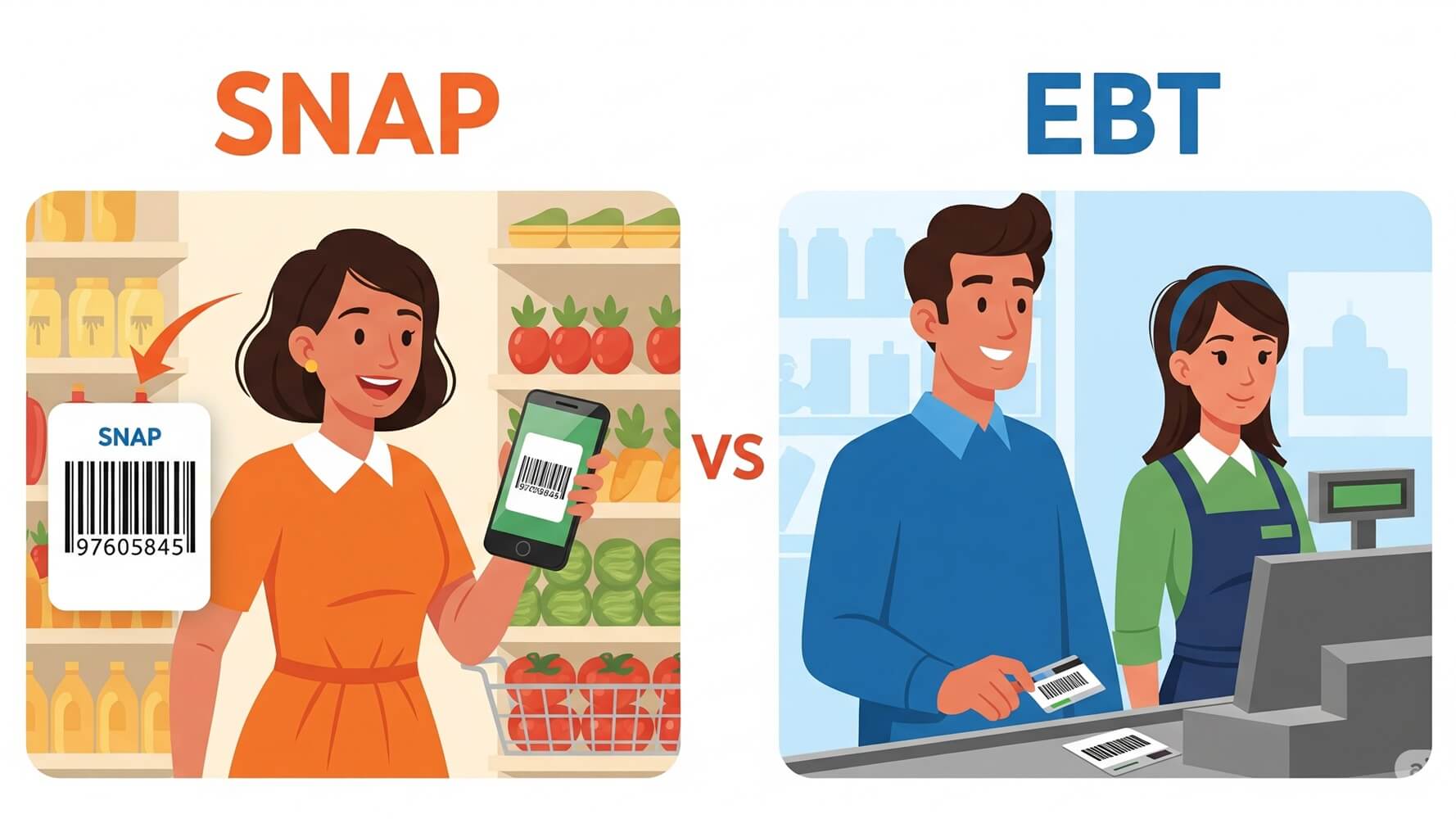
Since 1964, the food stamp program has changed quite a bit. One of the biggest changes has been the way food stamps are distributed. Instead of paper coupons, most states now use electronic benefit transfer (EBT) cards. These work like debit cards, making it much easier and more convenient for people to access their benefits.
The program has been expanded several times over the years. It has been made available to more people and in more areas. The rules and regulations have been updated to better meet people’s needs. SNAP now helps people to buy food at farmer’s markets and online.
The name of the program has also changed. In 2008, it was officially renamed the Supplemental Nutrition Assistance Program (SNAP).
Here are some major changes over time:
- Transition from paper coupons to EBT cards.
- Expansion to include more people and areas.
- Changes in program eligibility guidelines.
- Name change from Food Stamps to SNAP.
Conclusion
The Food Stamp Act of 1964 was a landmark piece of legislation that aimed to fight hunger and improve nutrition in America. It was the beginning of the modern food stamp program, which has helped millions of people over the years. While the program has faced its share of challenges and changes, it remains an important part of the social safety net, providing food assistance to those who need it most. The Food Stamp Act of 1964 showed a commitment to helping people and making sure everyone had access to the basic needs of life.