The Supplemental Nutrition Assistance Program (SNAP), often called food stamps, helps people with low incomes buy groceries. But have you ever wondered where the money for this program actually comes from? It’s a big question, and understanding it helps us appreciate how SNAP works and who it serves. Let’s dive into the details of funding for food assistance programs.
The U.S. Federal Government
The main source of funding for SNAP is, without a doubt, the United States federal government. Congress, which is made up of the House of Representatives and the Senate, approves the budget each year. This budget includes money for many programs, including SNAP. This funding is really important for making sure that people can afford the food that they need. Every year, Congress debates the needs of the nation and the federal budget. SNAP is just one part of that complex budget, which also funds things like national defense, education, and healthcare.
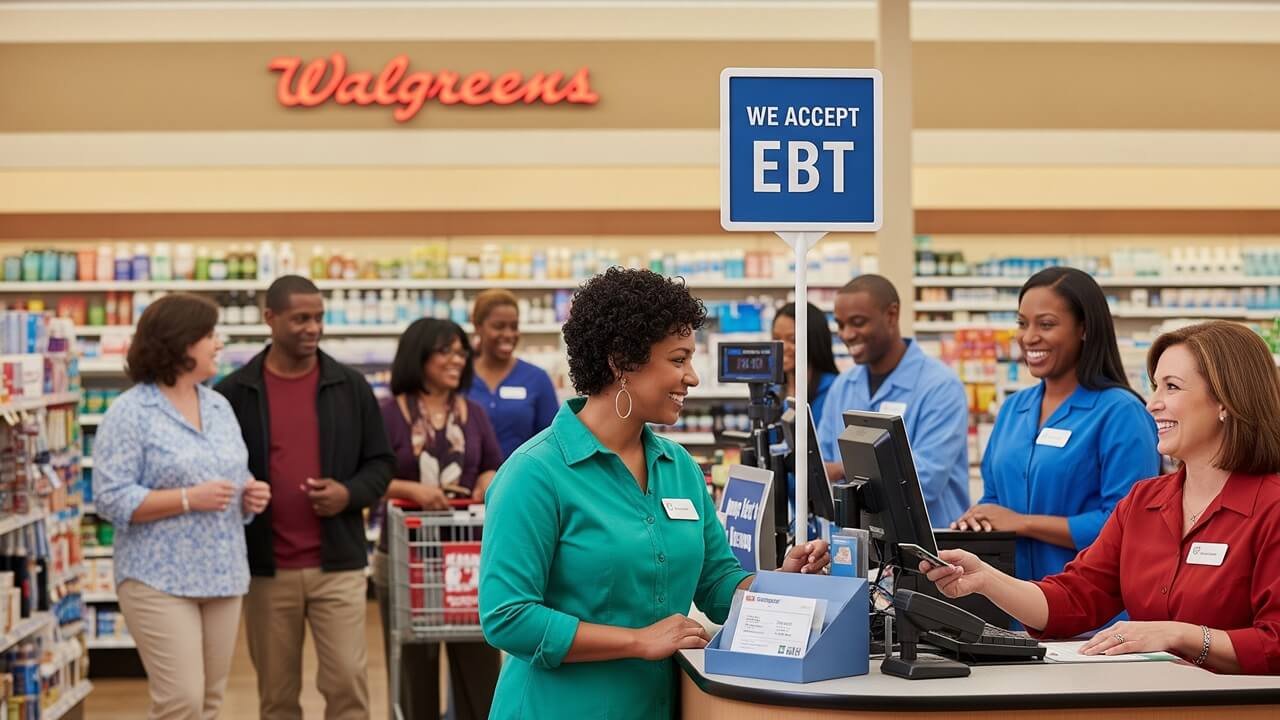
Federal funding for SNAP is significant. It’s the largest source of funding for food assistance in the United States. This funding doesn’t just magically appear; it comes from various sources of government income, including:
- Taxes on income (both individual and corporate)
- Payroll taxes (like Social Security and Medicare)
- Excise taxes (on things like alcohol, tobacco, and gasoline)
The amount of money allocated to SNAP can change year to year depending on several factors. These include the overall economic conditions, the number of people who qualify for SNAP benefits, and the prices of food. When the economy is struggling, more people may need SNAP, and therefore, more funding might be needed. When the economy is doing well, SNAP expenses might be lower. The decisions made regarding SNAP funding reflect both the needs of the population and the values of the politicians involved.
The federal government’s involvement ensures that SNAP operates consistently across all states and territories. This national framework is important. It ensures that the standards are consistent and that the program is available to eligible individuals and families regardless of where they live.
Funding Distribution and State Roles
Once Congress approves the SNAP funding, the money gets distributed in a pretty specific way. The U.S. Department of Agriculture (USDA) is the agency that manages SNAP. The USDA gives the funds to each state, and then states are responsible for administering the program locally. This includes things like figuring out who qualifies for SNAP, issuing benefits to eligible households, and making sure the program follows federal rules. This distribution is based on a formula that considers the population and the number of eligible households in each state.
The process involves several key steps. First, the federal government determines the total amount of funding available for SNAP. This is often tied to the number of people who are eligible to receive benefits, the amount of benefits each person or household receives, and the cost of food. Then, the USDA allocates funds to each state. The amount of funding each state gets is based on a formula that considers factors like the state’s population, the number of people participating in SNAP, and the cost of food in the state.
States play a crucial role in operating SNAP. They have considerable responsibility, including outreach to inform people about the program, application processing, and certification of eligibility. State agencies must also make sure people use their benefits correctly. States make sure they distribute food to the people who need it. States monitor how benefits are used. They can implement things like:
- Hotlines for residents to call for help with food.
- Mobile food banks.
- Partnerships with farmers to donate food.
There can be state-level variations. Some states may offer additional services, like employment and training programs for SNAP recipients, to help them find jobs and become self-sufficient. These extra services can assist individuals to find work and increase their income, ideally helping them exit the SNAP program. There is usually a partnership between the federal government and the states. This arrangement means states can offer flexibility to help people in their communities while still following federal rules.
Economic Impact and Ripple Effects
SNAP has a notable economic impact on communities. When people receive SNAP benefits, they use the money to buy groceries at local stores. This spending helps support local businesses. It creates a flow of money throughout the community. This, in turn, can help create or keep jobs.
The economic effects of SNAP can be quite significant. When families use SNAP benefits, it increases the demand for food. This can lead to the creation and/or sustaining of jobs in the food supply chain, from farmers and food processors to grocery store employees. It’s a chain reaction; SNAP dollars support local businesses. They help the local economy and the community as a whole.
The program also has a broader impact on the economy. Economists often see SNAP as a tool for boosting the economy, particularly during economic downturns. When people have more money to spend on food, it stimulates economic activity. This is particularly true when people spend money at the grocery store because the grocer has to spend money to resupply with food.
Here are some things that SNAP can do to affect the local economy:
| Positive Effect | How it Works |
|---|---|
| Increased Demand | SNAP benefits increase demand for food, supporting local businesses. |
| Job Creation | This increased demand can support employment in the food supply chain. |
| Economic Stability | SNAP can help stabilize the economy during downturns. |
SNAP and Farm Bill Reauthorization
The Farm Bill is a huge piece of legislation that Congress passes every few years. It covers a lot of agricultural and food-related programs. This is a crucial piece of legislation that has significant implications for the program. The Farm Bill sets the policies for SNAP, including funding levels, eligibility requirements, and program rules. It is also key to providing subsidies to farmers and promoting agricultural products. SNAP is just one part of this large piece of legislation.
Reauthorizing the Farm Bill is a complex process. It involves debates and negotiations in Congress, and often requires compromises between different political interests and perspectives. The bill’s reauthorization can directly impact SNAP. The reauthorization of the Farm Bill can sometimes lead to changes in SNAP. Changes in eligibility requirements, benefit levels, or program rules are all potential outcomes of the reauthorization process. This can lead to impacts on the people who receive SNAP benefits.
Advocacy groups also play a huge role. Organizations that support the SNAP program often work to influence the Farm Bill. They want to make sure that SNAP is well-funded and that the program remains accessible to people who need it. The Farm Bill’s provisions can affect the lives of millions of people.
Here’s how the Farm Bill can affect SNAP:
- Funding Levels: The Farm Bill determines how much money is allocated to SNAP.
- Eligibility Requirements: It sets the rules for who can receive benefits.
- Program Rules: The Farm Bill influences how SNAP operates.
- Advocacy: Interest groups play a significant role in the process.
SNAP Benefits and Benefit Amounts
The amount of money people get from SNAP depends on several things, like income, household size, and expenses like housing and childcare. When someone applies for SNAP, the state looks at their resources and uses a formula to figure out their benefit amount. The goal is to give families enough money to buy nutritious food.
SNAP benefits are typically loaded onto an Electronic Benefits Transfer (EBT) card. This card works like a debit card, and people can use it to buy groceries at authorized stores. The USDA provides a list of what foods can be bought with SNAP benefits. Foods that can be purchased with SNAP benefits include:
- Fruits and vegetables.
- Meat, poultry, and fish.
- Dairy products.
- Breads and cereals.
- Seeds and plants to grow food.
SNAP benefits cannot be used for certain items. Things like alcohol, tobacco products, pet food, and non-food items (like paper towels or cleaning supplies) are not allowed. People cannot use their EBT cards to buy hot foods. Each month, participants’ EBT cards are loaded with the amount of SNAP benefits they qualify for.
The amount of SNAP benefits people receive is recalculated periodically. Changes to their income or household size can affect their benefits. It is important for SNAP recipients to report any changes in their situation to the local SNAP office. Benefits are updated to reflect any changes, making sure the program helps those who need it most.
The Role of State and Federal Oversight
Both the federal and state governments have a big role in making sure SNAP is working properly. The federal government sets the basic rules and guidelines for the program, and the states are in charge of running the program locally. This division of labor is necessary for the success of the program. This division helps ensure that the program functions efficiently and fairly across the country.
The USDA is responsible for overseeing SNAP at the federal level. It monitors states’ programs, reviews how they are doing, and provides guidance and support. The USDA also conducts audits. These are official reviews of program spending to make sure funds are used correctly. This includes checking compliance with federal rules. States also play a key role in the monitoring of SNAP benefits.
States have to run SNAP within the rules. They are required to make sure they are giving out benefits correctly and that the program is free from fraud. States use a combination of methods to do this. This can include:
- Conducting regular eligibility reviews to confirm that people still qualify.
- Using data-matching techniques to identify potential fraud.
- Providing training for staff to ensure they understand the rules.
There are penalties for fraud. If someone is found to be getting SNAP benefits they are not eligible for, they could be penalized. Penalties can range from a warning to being kicked out of the program and even prosecution. These practices, at both the federal and state levels, help ensure that SNAP operates with integrity and that benefits are used for the intended purpose.
Conclusion
So, where does food stamp money come from? The main source is the United States federal government, with funding approved by Congress and managed by the USDA. This money then gets distributed to states, which run the program locally. SNAP funding supports local businesses and has a big economic impact. The Farm Bill also plays a big role in setting policies for the program. The federal government and the states share the responsibility of ensuring SNAP’s success, and that food assistance is available to people in need. Knowing where the money comes from is important for understanding how SNAP works. It helps us all appreciate the importance of programs designed to fight hunger and support the well-being of families and communities across the country.